Sump Pump Installation in Columbus, OH
A sump pump sits in a pit at the low corner of the basement and lifts water out before it spreads across the floor. If you live in Columbus, Ohio and want a first pump, a replacement or a backup, this page explains the parts, the costs and how to ask an independent local contractor for a written estimate.
Prefer to talk? Call now(614) 555-0147Not sure if we cover your area? Check now ↓
Basement Estimate Request
Takes 30 seconds, or call (614) 555-0147
Your details go to one independent contractor who works around Columbus, OH, and that contractor calls you directly. See our Referral Marketing Disclosure.
Battery Backups and Alarms
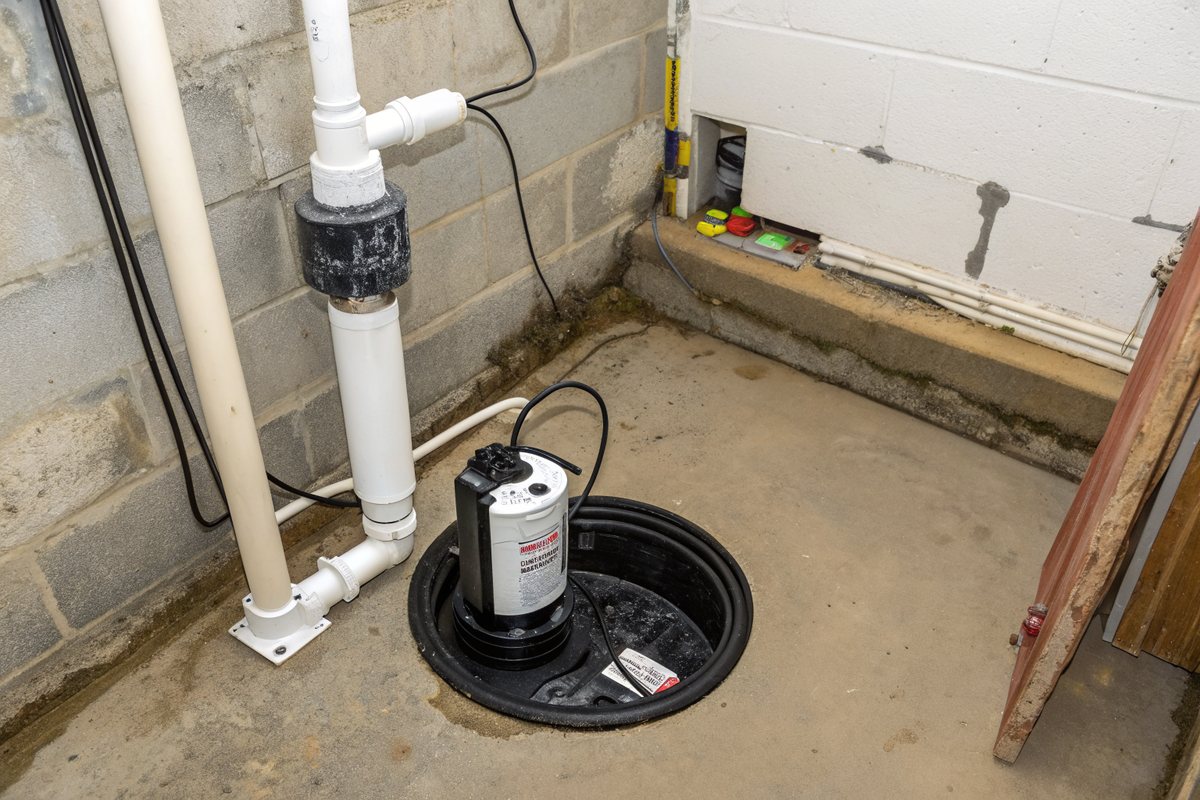
A sump system has three working pieces: a lined pit below the slab, a pump that switches on as water rises, and a pipe that carries the water outside. Drain tile along the walls often feeds the pit.
The weak spot is power. Storms can knock out electricity just as the pit fills fastest. A battery backup pump sits beside the main one and takes over when the power drops or the main pump stalls, and a high-water alarm sounds when the level climbs past normal.
According to the National Weather Service, as reported locally, Columbus got 3.17 inches of rain in 24 hours on July 6, 2022, topping the previous daily record of 2.67 inches. Days like that are when a backup earns its place.
What Gets Done
- A new or first pump. The contractor sizes the pump to the pit and the expected water, then sets it on a stable base so it doesn't tip or clog.
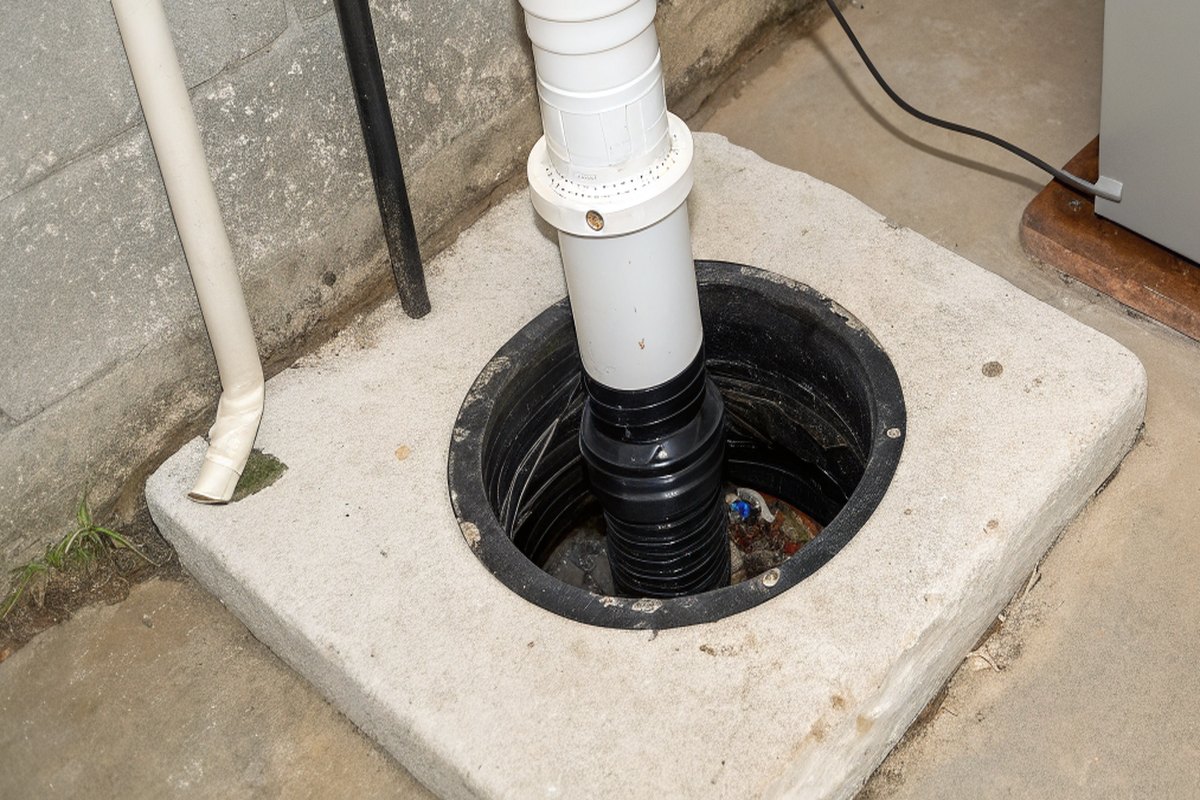
- The pit and liner. Where there's no pit yet, the slab is cut and a sealed basin with a lid goes in.
- A discharge line away from the house. Water should leave through a pipe that ends well clear of the foundation, so it doesn't soak back in a few feet away.
- A check valve. This one-way valve stops pumped water from falling back into the pit each time the pump shuts off.
- Battery backup and alarm. A second pump and an alarm cover outages and failures, and can be added to an existing setup.
- Plumbing or electrical permits. A new outlet or a drain hookup can count as plumbing or electrical work, which can need its own permit.
Budgeting for Sump Pump Installation
| Cost row | Figure | Source (year) |
|---|---|---|
| Typical basement waterproofing project, Columbus | about $3,180 to $11,639 (average about $7,368) | Angi, Columbus (2026) |
| Interior perimeter drain, per linear foot | $40 to $120 | Fixr national (2026) |
| Sump pump installation | $600 to $2,500 | Fixr national (2026) |
| Epoxy crack injection, per crack | $250 to $1,000 | Fixr national (2026) |
| Waterproof paint or sealant, per sq ft | $1 to $8 | Fixr national (2026) |
The pump row covers a single installed unit, so a new pit, a backup pump or added drain tile all push the price higher; see the cost guide or try the cost calculator for a rough number.
How the Work Usually Goes
- You send a short request, and one independent local contractor gets in touch to set up a visit.
- The contractor looks at where water collects, checks any existing pit and pump, and notes where the discharge line could run outside.
- You get a written, itemized estimate naming the pump model, pit size, discharge route, any backup or alarm, and who pulls any permit.
- On install day, the contractor cuts the slab if needed, sets the basin and pump, runs the line outside and adds the check valve.
- The contractor fills the pit with water to show the pump switching on and off, then walks you through basic upkeep.
Why Homeowners Use This Service
The metro has many older brick and block-foundation homes near downtown, plus newer suburban basements whose original pumps are aging. In either kind of house, a working sump is often what keeps a damp floor from turning into standing water.
You describe the problem once, a single contractor follows up, and you decide with a written number in hand. Inside city limits, the contractor should be able to show a City of Columbus home improvement license covering basement waterproofing, which Building and Zoning Services can confirm. Suburban homeowners can ask their own city what applies.
Sump Pump Installation Questions, Answered
How do I know if my sump pump is working?
Pour a bucket of water slowly into the pit. The float should rise, the pump should start, and the level should drop before the motor shuts off. If nothing happens, the pump hums without moving water, or it runs nonstop, mention that in your request.
Does a sump pump need a permit in Columbus?
It depends on the job. A new pump often involves plumbing work and a new outlet can be electrical work, and either may need its own permit. Your contractor should say who handles that; Building and Zoning Services can answer questions in Columbus, and suburban building departments can do the same.
Is a battery backup worth adding?
It's worth asking about if your basement takes on water during storms or you've lost power before. The backup runs only when the main pump can't. Ask how long it runs on a charge and what upkeep it needs.
Where should the discharge water go?
It should end far enough from the house to drain away rather than back toward the walls. The contractor will suggest a route based on your yard and grade, and the written estimate should name it.
What if water came up through my floor drain instead?
That's usually a sewer backup, not groundwater, and a sump pump isn't the fix. Columbus residents should call the city's Sewer Maintenance Operations Center (614-645-7102) or 311 within 24 hours and ask about Project Dry Basement. Outside city limits, call your own city.
Related Services
A pump often works alongside other fixes, so you may also want to read about basement drainage, basement leak repair, foundation crack repair and full basement waterproofing.
Get a Written Sump Pump Estimate
Tell us what's happening in your basement, and one independent local contractor will reach out to arrange a visit and a written estimate. This site is a free referral service paid for by contractor advertising; it does no basement work itself.